News
News
Jacqueline Austermann Awarded 2026 AGU James B. Macelwane Medal
Jacqueline (Jacky) Austermann, Associate Professor of Earth and Environmental Sciences at Columbia University and Co-Principal Investigator on the MINERALS project, will receive the 2026 James B. Macelwane Medal from the American Geophysical Union (AGU). Austermann leads the project's geodynamics efforts.
The Macelwane Medal is AGU's premier award for scientists within 10 years of receiving their PhD. It recognizes significant contributions to Earth and space science, based on depth and breadth of research, impact, and creativity. With the medal, Austermann also becomes an AGU Fellow.
Austermann's honor reflects the interdisciplinary reach of the MINERALS project, which connects atomic-scale mineral physics to the geodynamic processes that shape Earth's interior and surface.
Congratulations to Professor Austermann on this outstanding recognition.
Read more about the James B. Macelwane Medal.
Renata Wentzcovitch Named AGU Distinguished Lecturer
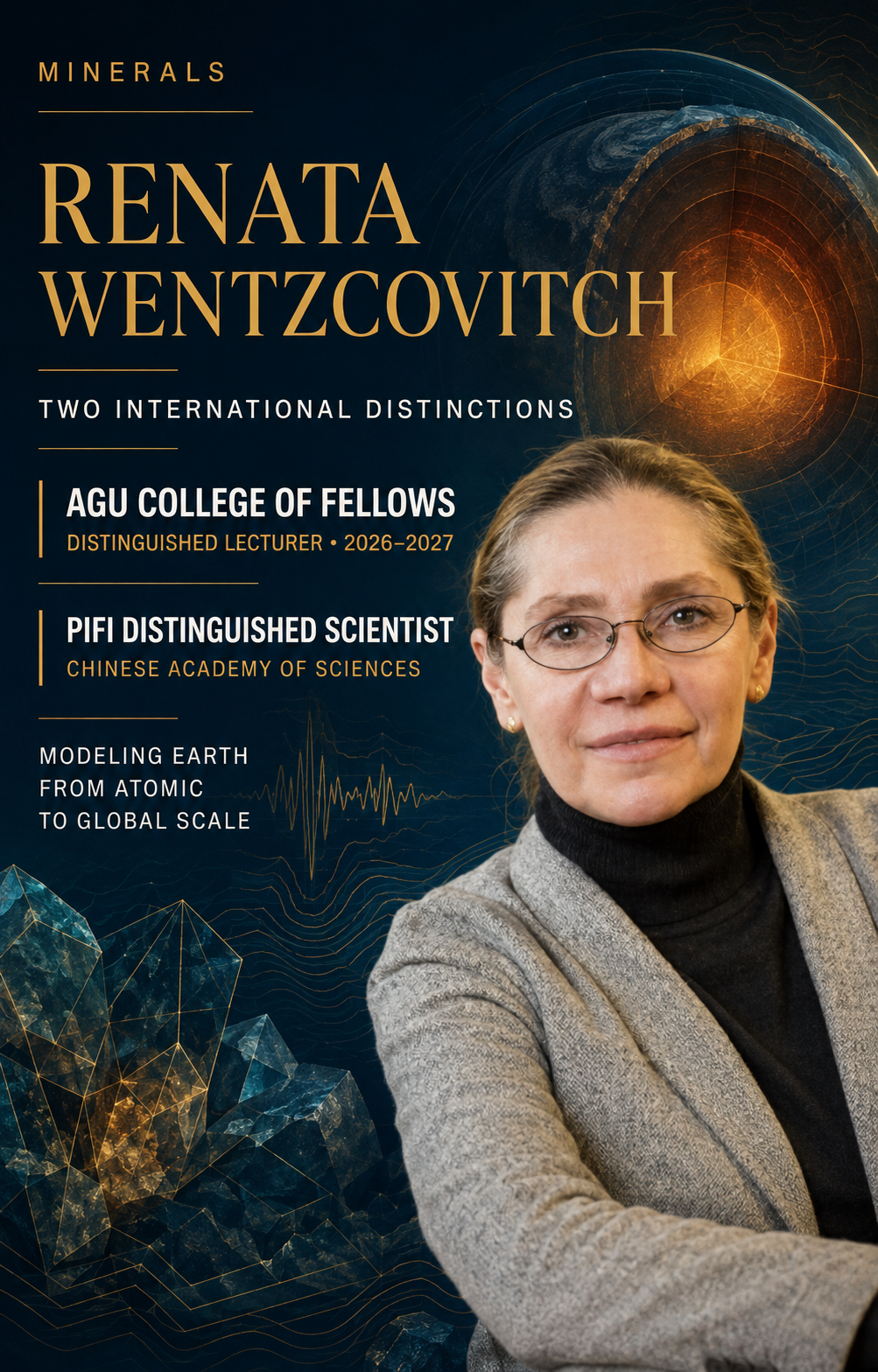
Renata Wentzcovitch, Principal Investigator of the MINERALS project, has been selected as an American Geophysical Union (AGU) College of Fellows Distinguished Lecturer for the 2026–2027 academic year, recognizing her leadership and contributions to computational mineral physics, geophysics, and materials science.
Through the Distinguished Lecture Series, she will deliver free virtual presentations to students and academic institutions around the world, sharing research on materials at extreme pressures and temperatures and the processes that shape Earth and other planetary bodies.
These distinctions reflect Wentzcovitch’s international impact and the broader mission of the MINERALS project: connecting atomic-scale materials research with geophysics, seismology, and planetary science.
Congratulations to Professor Wentzcovitch on this outstanding honor.
Read more about the AGU College of Fellows Distinguished Lectureship.
Read Columbia's news release here.
Renata Wentzcovitch Named PIFI Distinguished Scientist
Renata Wentzcovitch, Principal Investigator of the MINERALS project, has been named a President’s International Fellowship Initiative (PIFI) Distinguished Scientist by the Chinese Academy of Sciences, the initiative’s highest senior designation. The honor recognizes her longstanding scientific contributions as well as her extensive record of collaboration, exchange, and mentorship in China.
This distinction reflects Wentzcovitch’s international impact and the broader mission of the MINERALS project: connecting atomic-scale materials research with geophysics, seismology, and planetary science.
Congratulations to Professor Wentzcovitch on this outstanding honor.
Read more about the PIFI Distinguished Scientist appointment.
Welcome, Postdoctoral Research Scientist Dr. Abin Shakya
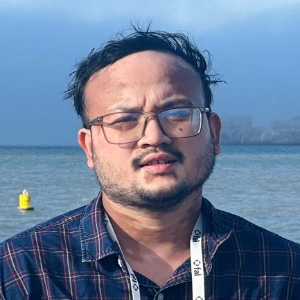
We are excited to welcome Dr. Abin Shakya as a Postdoctoral Research Scientist on the MINERALS Project, joining us on June 1, 2026.
Abin’s research sits at the intersection of machine learning and scientific computing, with a focus on developing data-driven models for atomistic simulations. His work centers on machine-learned interatomic potentials trained on first-principles (DFT) data, enabling accurate and scalable molecular dynamics simulations of complex materials.
At Lamont-Doherty Earth Observatory, Abin will contribute to the MINERALS Project’s growing computational infrastructure, bringing machine-learning-driven approaches to atomistic modeling that complement and extend the team’s existing work in mineral physics and geophysics.
We are delighted to have Abin join the MINERALS team.
Welcome, Summer 2026 Interns!
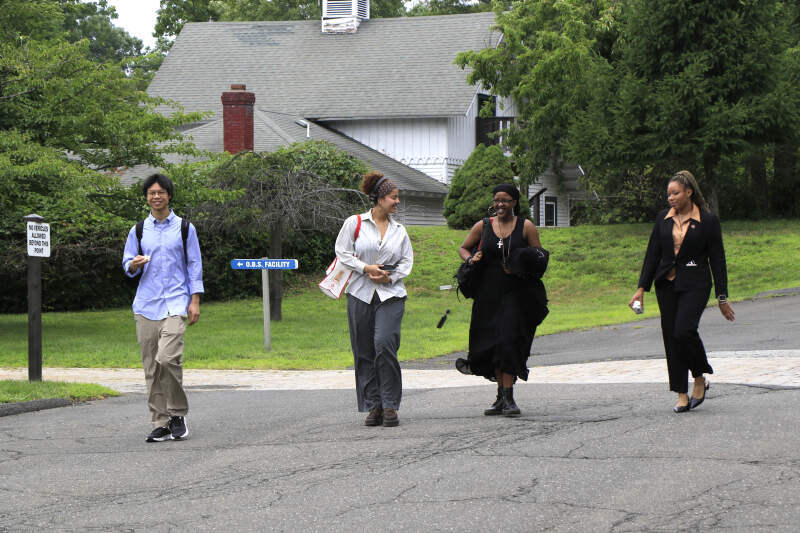
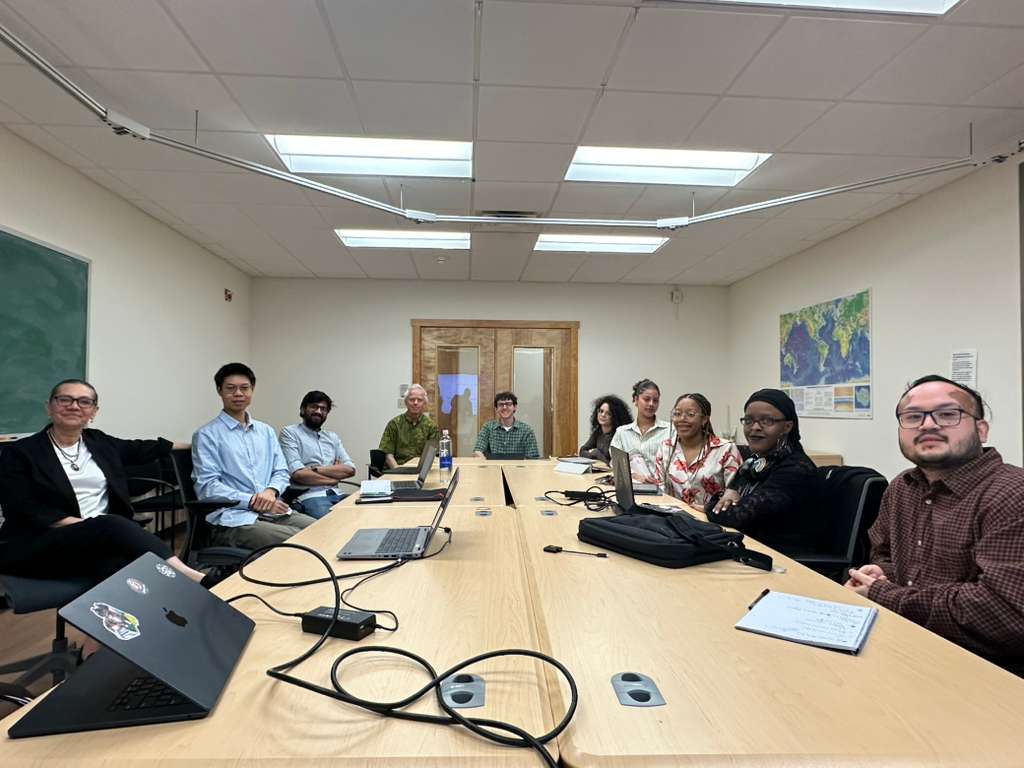
We are excited to welcome four exceptional interns to the MINERALS Project this summer at Lamont-Doherty Earth Observatory, Columbia University.
Dominica Wilson (Tuskegee University, Computer Engineering) comes from Birmingham, Alabama, and has researched machine learning applications in computer vision and image processing through Tuskegee’s Department of Electrical and Computer Engineering. She is eager to explore new computational methods and the applications of machine learning in geophysics.
Noah Proctor (Columbia University, Operations Research & Computer Science) is a second-year student who has researched multiphase reactive transport in sandstone for carbon mineralization at Columbia’s Kelly Laboratory and built neural network models forecasting harmful algal blooms in Lake Erie. He joins MINERALS, drawn by its ambition to model Earth from the atomic to the global scale.
Wilson Samuels (Tuskegee University, Computer Engineering) is a sophomore from Tampa, Florida, bringing her engineering background to the team’s computational work this summer.
Gioia Marchi (Columbia University, Computer Engineering) is a first-year undergraduate originally from New York, interested in how data science and computation can deepen our understanding of Earth systems.
We are thrilled to have Dominica, Noah, Wilson, and Gioia on board. Welcome to the team!
Co-PI Kui Ren Named 2026 SIAM Fellow
Kui Ren, Professor of Applied Physics and Applied Mathematics at Columbia Engineering and Co-Principal Investigator of the MINERALS project (Modeling Earth from Atomic to Global Scale), has been named a 2026 Fellow of the Society for Industrial and Applied Mathematics (SIAM). The fellowship recognizes Ren’s significant contributions to the computational and mathematical analysis of inverse problems and their applications in imaging sciences.
Ren is among 25 newly elected SIAM Fellows who will be formally recognized during a reception at the SIAM Annual Meeting in Cleveland, Ohio, in July 2026. SIAM Fellows are selected for their outstanding contributions to applied mathematics, computational science, and data science, as well as for their impact on advancing the broader scientific community.
Professor Ren’s research spans several areas of applied and computational mathematics. His work includes theoretical and numerical analysis of inverse problems related to partial differential equations, with applications in biomedical imaging; mathematical modeling of high-frequency acoustic and electromagnetic wave propagation in random media; studies of random graphs and networks; and the development of numerical algorithms for kinetic modeling of electrostatics and charge transport in semiconductor devices.
Ren received his B.S. from Nanjing University in China and his Ph.D. in Applied Mathematics from Columbia University’s Department of Applied Physics and Applied Mathematics (APAM) in 2006. He later served as an L.E. Dickson Instructor at the University of Chicago before joining the University of Texas at Austin, where he became a tenured professor in the Department of Mathematics and the Oden Institute for Computational Engineering and Sciences. In 2018, Ren returned to Columbia Engineering, joining the APAM faculty.
At Columbia, Ren is also affiliated with the Columbia Data Science Institute, the Initiative for Computational Science and Engineering, and AI@Columbia. His honors include the 2017 Calderón Prize and the 2025 Feng Kang Prize, recognizing his leadership and contributions to computational mathematics.
Ren’s election as a SIAM Fellow highlights his international impact in applied mathematics and computational science and reflects the interdisciplinary research environment that connects mathematics, physics, and Earth science within projects such as MINERALS.
Jacqueline Austermann Named National Academy of Sciences Frontiers of Science Fellow (2026)
Jacqueline (Jacky) Austermann, Associate Professor of Earth and Environmental Sciences at Columbia University and Co-Principal Investigator on the MINERALS project, has been selected as a National Academy of Sciences Frontiers of Science Fellow (2026).
The U.S. Frontiers of Science Symposium, organized by the National Academy of Sciences, brings together outstanding early-career scientists from across disciplines to discuss emerging discoveries and build collaborations across fields. Participation in the program recognizes researchers who are making significant contributions at the frontiers of their scientific areas.
As part of the 2026 symposium held at the Arnold and Mabel Beckman Center in Irvine, California, Austermann presented her research in the session “Sea Level and Earth System Transitions: Past Insights, Future Directions.” Her talk explored the dynamics of coastlines and long-term sea-level change and how geological records can help improve projections of future coastal impacts.
Austermann’s participation highlights the interdisciplinary nature of the MINERALS project and its connection to broader Earth system research—from deep Earth processes to surface dynamics that shape the planet’s climate and coastlines.
Renata Wentzcovitch wins the coveted Bridgman award
Renata Wentzcovitch has been named the recipient of the 2025 Bridgman Award, a distinguished honor presented by the International Association for the Advancement of High Pressure Science and Technology (AIRAPT). This prestigious award, given every two years, recognizes outstanding research achievements in the physics, chemistry, and technology of high-pressure science.
Wentzcovitch, Professor of Materials Science and Applied Physics and Professor of Earth and Environmental Science at Columbia Engineering, is the first woman ever to receive the Bridgman Award since its inception.
She was selected by AIRAPT in recognition of her transformative contributions to materials simulations at high pressures and temperatures. In the nomination letter, her development of key computational methods that have become essential tools in the field was highlighted:
“Her work represents a new chapter in high-pressure research with the development of the first principles variable cell shape molecular dynamics methods. The impact of her methods was immense, and it was especially valuable for investigating minerals with complex crystal structures at extreme conditions. She has developed a version of this approach that allowed the determination and discovery of complex equilibrium structures at arbitrary pressures. She also pioneered high-temperature quasiharmonic calculations, which opened the door to studying materials at planetary interior conditions. Her contributions make her an internationally recognized leader in materials simulations at extreme conditions.”
Professor Wentzcovitch will officially receive the award, a gold medal, at the 29th AIRAPT Meeting in Matsuyama, Japan. As part of the honor, she will also deliver the Bridgman Lecture, named after Nobel laureate Percy W. Bridgman, a pioneer in high-pressure physics.
This milestone not only recognizes a stellar scientific career but also marks a historic moment for representation in high-pressure science.
Link to news on APAM: Wentzcovitch wins the Bridgman Award.
Co-PI Kui Ren Wins 2025 Feng Kang Prize
Dr. Kui Ren, Co-Principal Investigator of the MINERALS Project and Professor of Applied Physics and Applied Mathematics at Columbia Engineering, has been awarded the 2025 Feng Kang Prize, the highest honor in computational mathematics in China.
The biennial prize recognizes outstanding achievements in scientific computing. Dr. Ren was honored for his “contributions in computational and theoretical understanding of inverse problems for PDEs and mathematical imaging.”
Congratulations to Dr. Ren on this distinguished recognition of excellence in computational mathematics.
Welcome, Postdoctoral Research Scientist Dr. Chenxing Luo
We are excited to welcome Dr. Chenxing Luo as a Postdoctoral Research Scientist on the MINERALS Project. Chenxing recently served as the Harry H. Hess Postdoctoral Research Fellow in Geosciences at Princeton University, where he was part of the Computational Mineral Physics Laboratory and the Theoretical & Computational Seismology Group.
His research lies at the intersection of physics and computer science, focusing on the physical properties of Earth-forming materials under extreme pressure and temperature. He employs ab initio calculations and deep-learning potential molecular dynamics to model the behavior of minerals at atomic scales.
At Lamont-Doherty Earth Observatory, Chenxing will contribute to advancing computational frameworks for simulating the elasticity and thermodynamics of planetary materials, strengthening the project’s cross-disciplinary bridge between mineral physics, geophysics, and machine-learning-driven modeling.
We are delighted to have Chenxing join the MINERALS team.
Welcome, Postdoctoral Research Scientist Debanjan Pal
We are excited to welcome Dr. Debanjan Pal as a new Postdoctoral Research Scientist on the MINERALS Project. Debanjan joins us from the Centre for Earth Sciences at the Indian Institute of Science (IISc) Bangalore, where his research explored large-scale mantle dynamics, plate reconstructions, and the evolution of Earth’s interior structure since the Cretaceous.
His expertise lies in global mantle convection modeling, geoid and tomography integration, and numerical simulations of deep Earth processes—bringing valuable geodynamic insight to our interdisciplinary collaboration. At MINERALS, Debanjan will work under Dr. Jacqueline Austermann’s supervision, developing next-generation geodynamic models that bridge mineral physics, seismology, and data-driven approaches to understand Earth’s mantle evolution.
We are delighted to have Debanjan on board as we continue building a unified model of Earth’s interior from the atomic to global scale.
Read more about Debanjan’s research here.
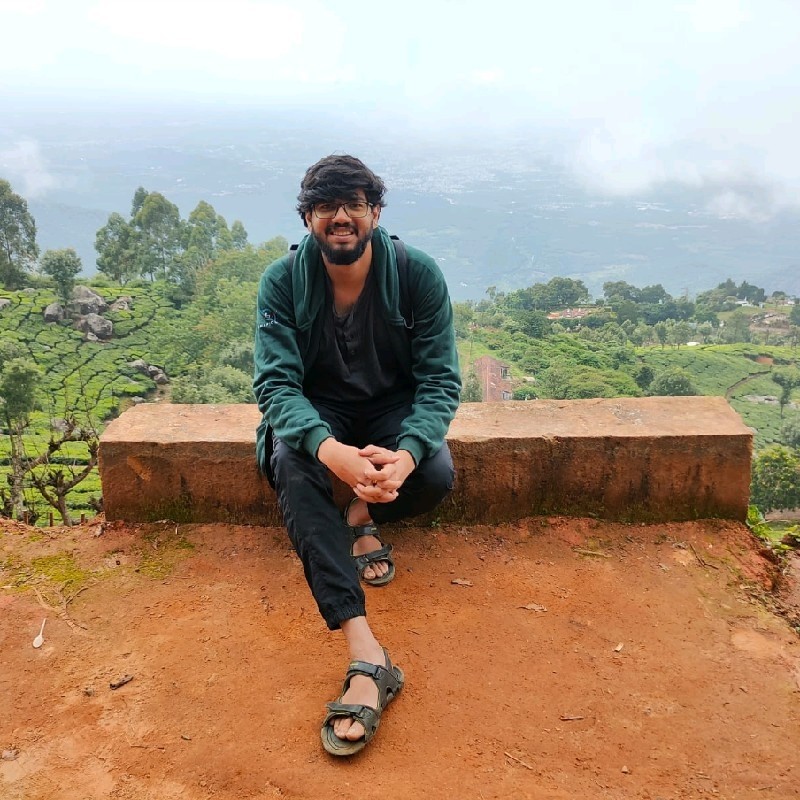
Welcome, Project Coordinator Vishal Manve
We are excited to welcome Vishal Manve as the new Project Coordinator for the MINERALS Project. Vishy brings a wealth of experience and fresh energy to our team, and we at LDEO/SGT are excited to have him on board as we continue to grow and advance the project’s mission. Read more about Vishy here.
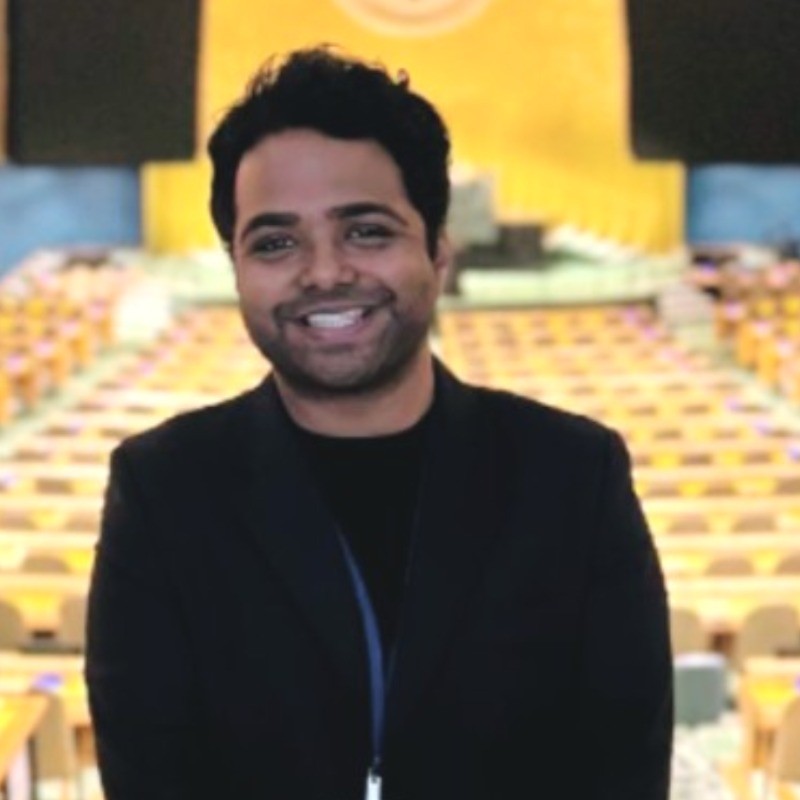
Welcome, Postdoctoral Research Scientist Raj Moulik
We are delighted to welcome Dr. Raj Moulik as a new Postdoctoral Research Scientist on the MINERALS Project. Raj joins us at LDEO/SGT with expertise in mineral physics and computational modeling, and will be contributing to advancing our understanding of Earth’s deep interior through cutting-edge simulations and collaborative research.
Raj’s work will strengthen the MINERALS Project’s mission of bridging mineral physics, seismology, and geodynamics, and we are thrilled to have his insight and scholarship as part of our growing team.
Read more about Raj here.
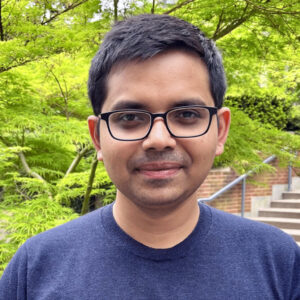
Welcome, Postdoctoral Research Scientist Tianqi Wan
We are excited to welcome Dr. Tianqi Wan as a new Postdoctoral Research Scientist on the MINERALS Project. Tianqi is a computational mineral physicist whose research focuses on modeling lower mantle minerals using first-principles calculations, molecular dynamics, and machine learning. Tianqi’s expertise will be an invaluable addition to our interdisciplinary team, helping us push the boundaries of deep Earth research through advanced computational methods.
Read more about Tianqi here.
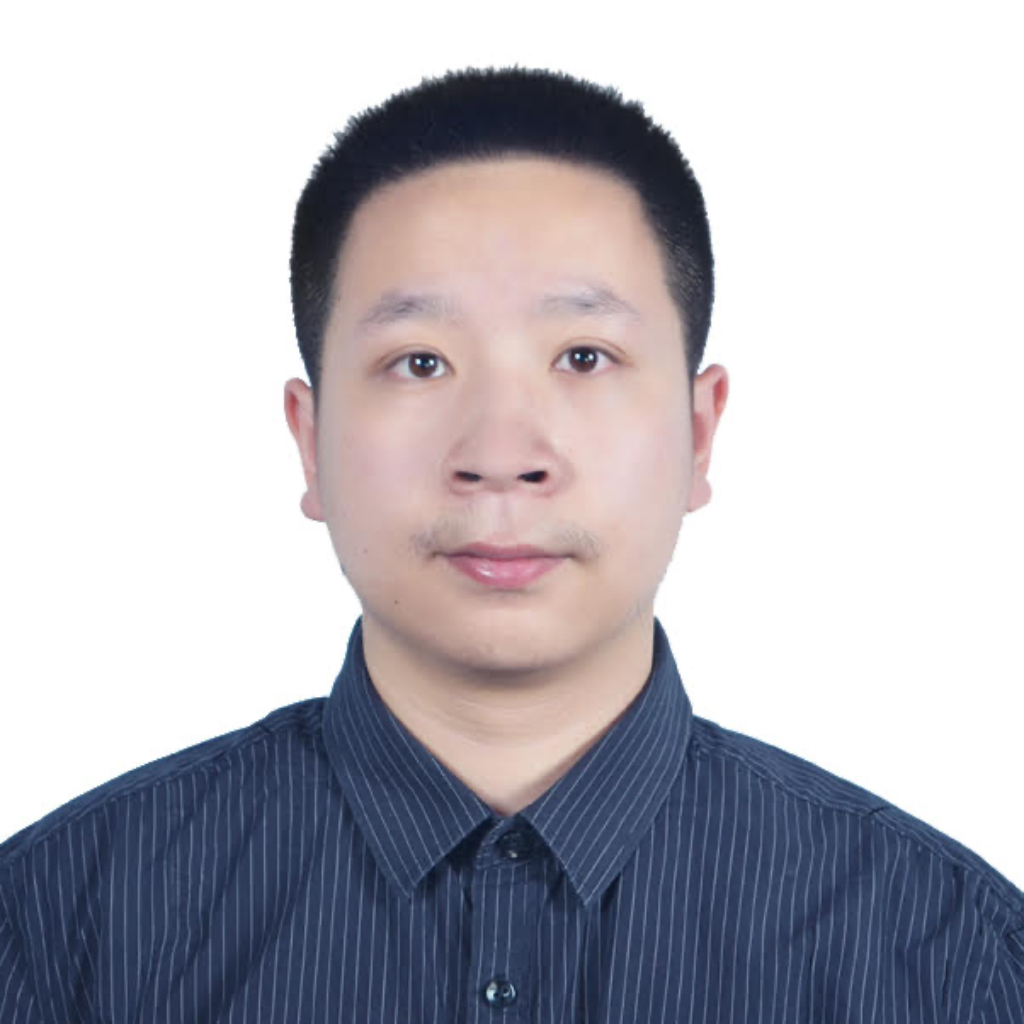
Welcome, Postdoctoral Research Scientist Jessica Santos Rego
We are excited to welcome Dr. Jessica Santos Rego as a Postdoctoral Researcher on the MINERALS Project. Jessica earned her PhD in Physics from the University of Campinas (2022) and is currently researching mineral–fluid interface properties for geological carbon storage at the Research Center for Greenhouse Gas Innovation (RCGI) in Brazil.
At Lamont-Doherty Earth Observatory (LDEO), she investigates the thermoelastic properties of geologically significant silica phases and their correlation with seismic measurements. Her expertise in Condensed Matter Physics and atomistic simulations strengthens our interdisciplinary work connecting mineral physics and geophysics.
We’re delighted to have Jessica join the MINERALS team!
Press Highlights
Global Media Coverage of Austermann et al. (2026)
Research co-authored by MINERALS Co-PI Jacqueline Austermann on regional sea-level change in Greenland has received extensive international media attention following its publication in Nature Communications.
The study, “Projections of 21st-century sea-level fall along coastal Greenland,” examines how gravitational and geophysical processes cause sea levels around Greenland to fall locally even as global sea levels rise due to ice sheet loss.
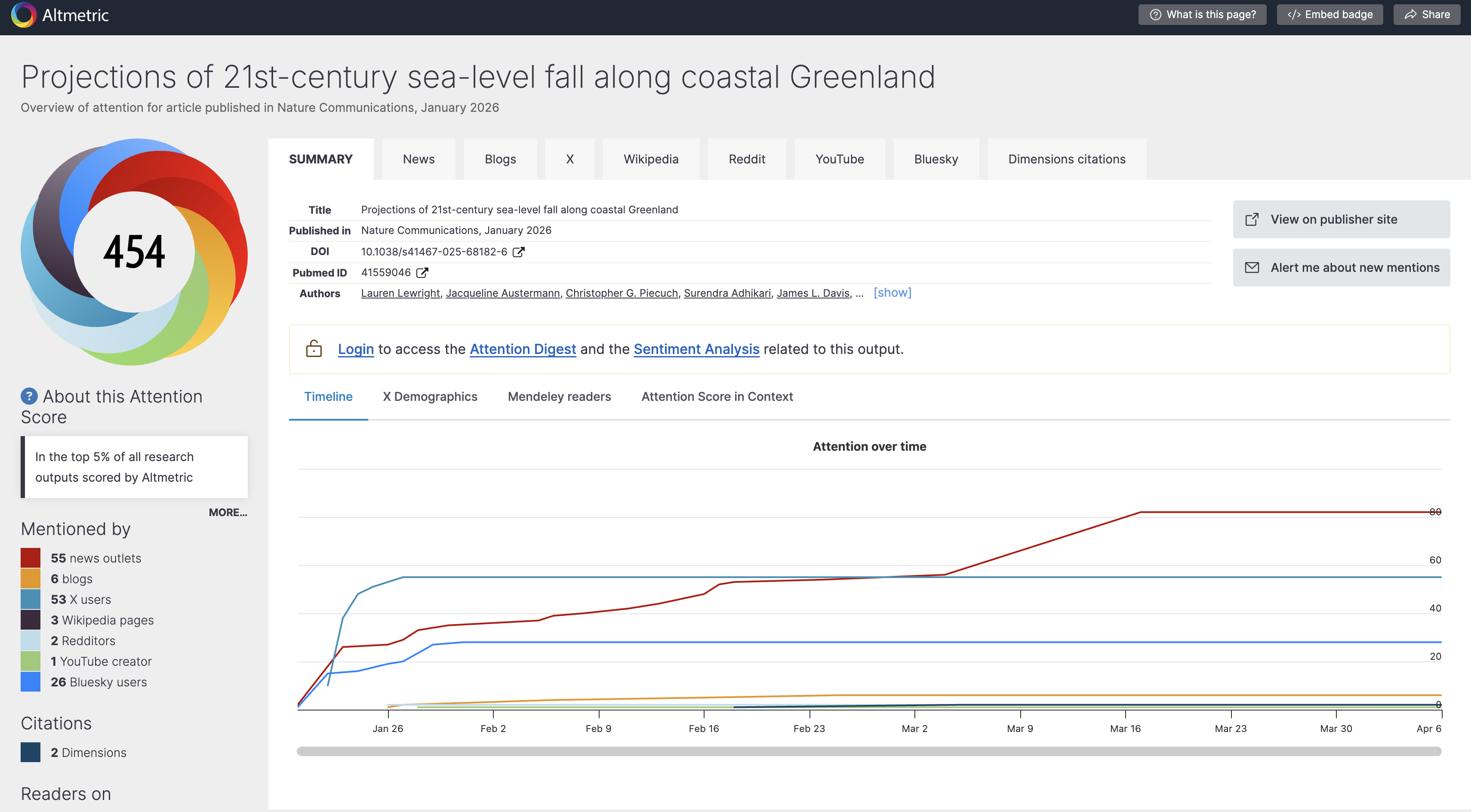
The paper has received significant global attention, with an Altmetric Attention Score of 454, placing it in the top 5% of all research outputs tracked by Altmetric, and has been covered by more than 50 international news outlets.
Selected Media Coverage
- Science (2026) – “As Greenland loses ice, global sea levels will rise—and its own will fall”
- Nature News
- Scientific American
- The Washington Post
- The Guardian
- CNN Climate
- BBC Science
- New Scientist
Media Impact
- 55 news outlets
- 6 blogs
- 53 social media discussions on X
- 3 Wikipedia citations
- Altmetric Attention Score: 454
Full media coverage and impact metrics are available via Altmetric:
https://nature.altmetric.com/details/187564205
Highlighted Publications
2025 - Published
The Fe-Ni phase diagram and the Earth’s inner core structure
Wei, Wu, Ho, Wentzcovitch, and Sun (2025) compute an ab initio Fe–Ni phase diagram at inner-core conditions, revealing that nickel strongly alters phase stability. The results indicate bcc–liquid coexistence at the inner-core boundary and possible multilayer structures composed of bcc–hcp mixtures—clarifying nickel’s role in Earth’s core formation and composition.
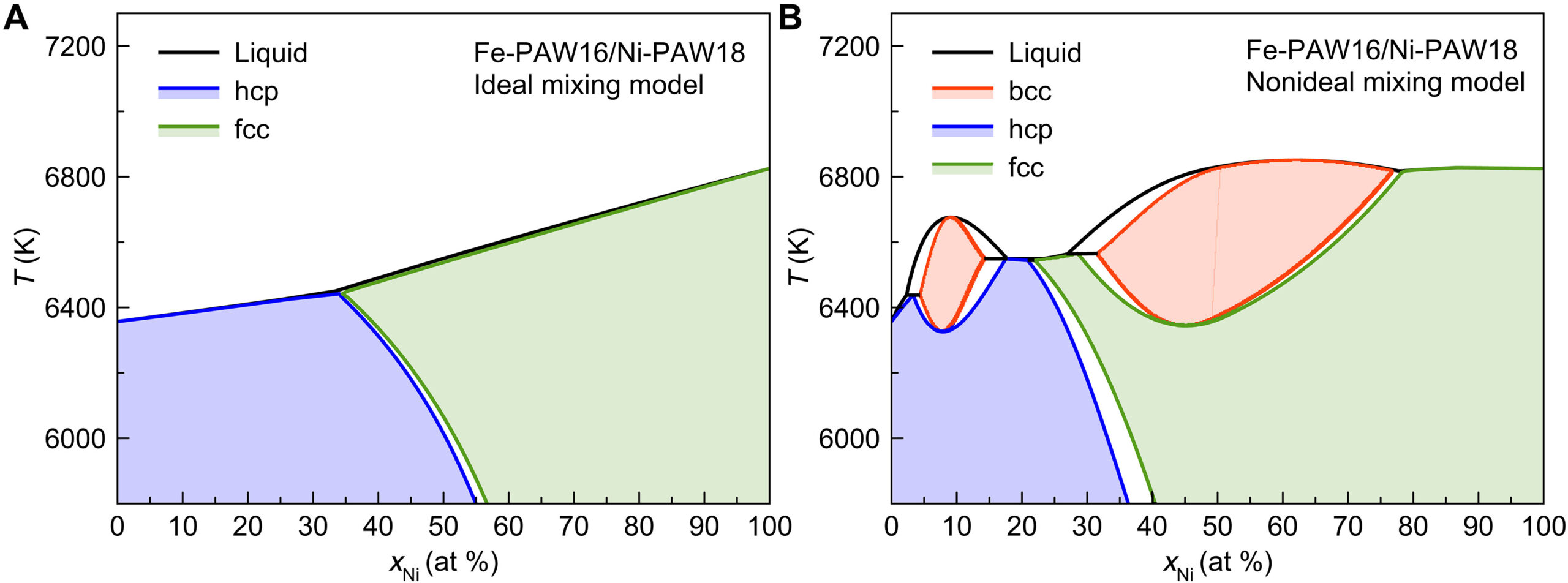
L. Wei, K.-M. Ho,R. M. Wentzcovitch, Y. Sun, The Fe-Ni phase diagram and the Earth’s inner core structure, Science Advances 11, eadu1998. DOI 10.1126/sciadv.adu1998 (2025). https://arxiv.org/pdf/2503.21493
All Publications
To access all our publications, click here.
Group Media
MINERALS Interns Present Research at Lamont’s Summer of Science
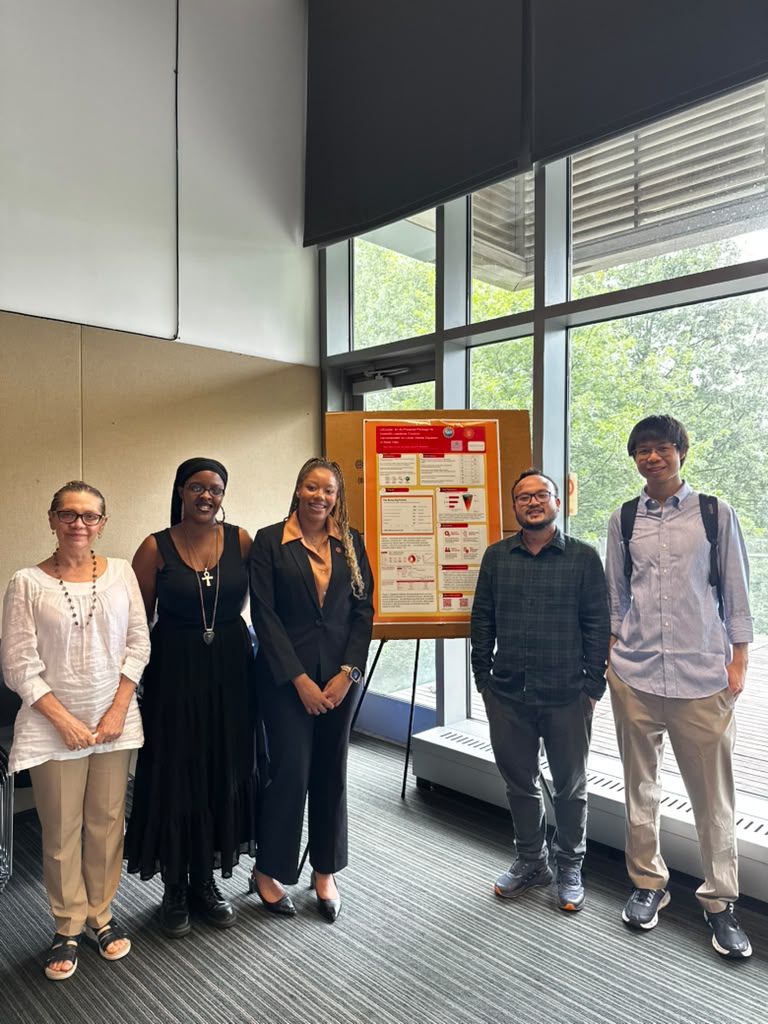
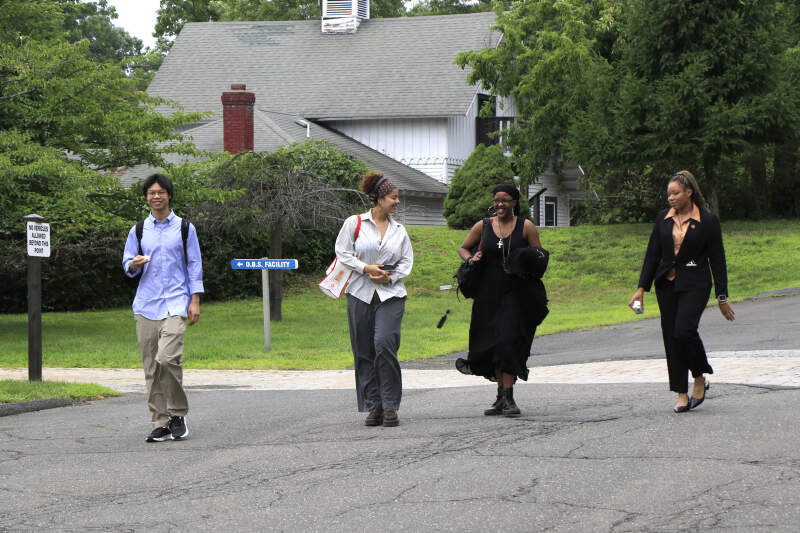
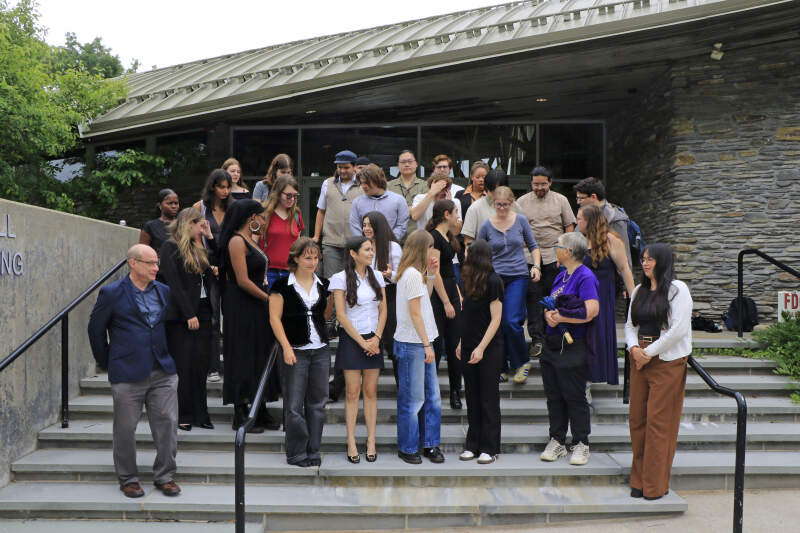
On Tuesday, July 28, MINERALS interns presented their summer research as part of the Summer of Science Presentations: Lamont Summer Intern Program at the Lamont-Doherty Earth Observatory. The event marked the culmination of the Lamont undergraduate summer internship program and brought together interns, mentors, and members of the research community.
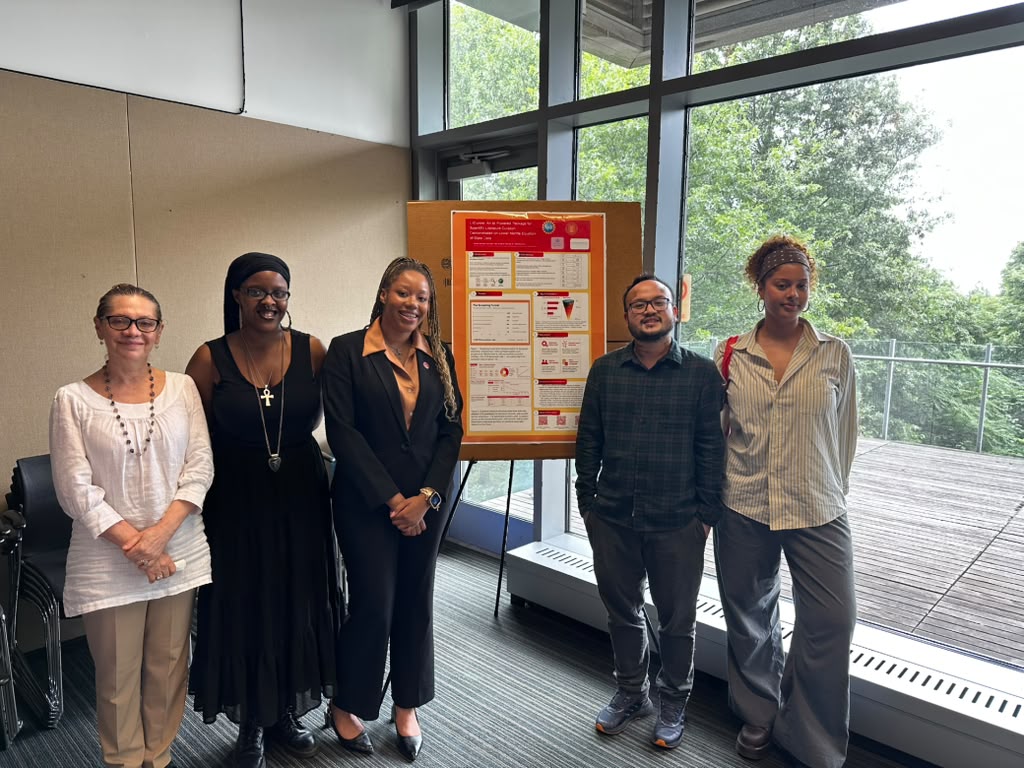
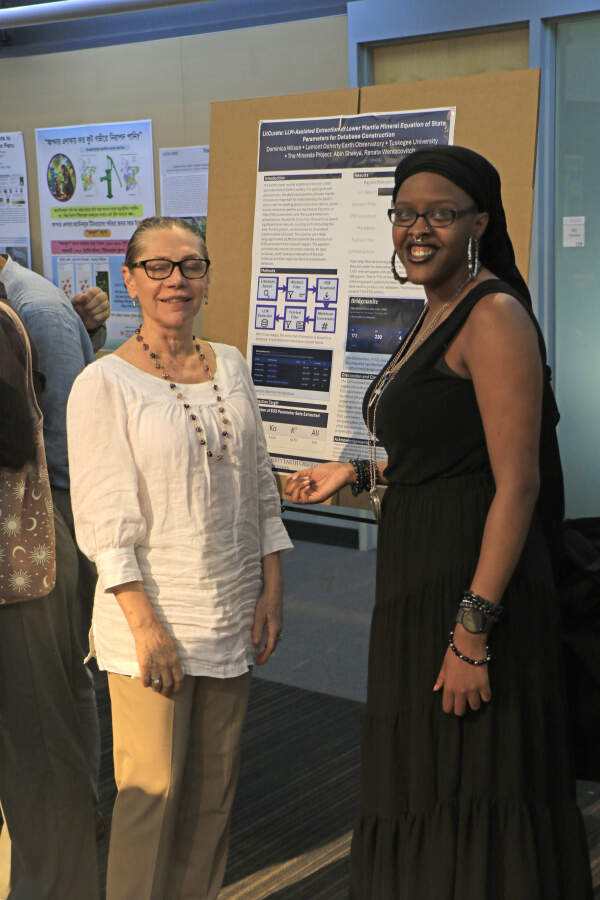
The program began with an oral slideshow in Monell Auditorium, followed by a poster session in the Comer Geochemistry Building’s atrium and seminar room. During the session, the interns presented their research questions, methods, and findings and discussed their work with scientists, students, and visitors from across Lamont.
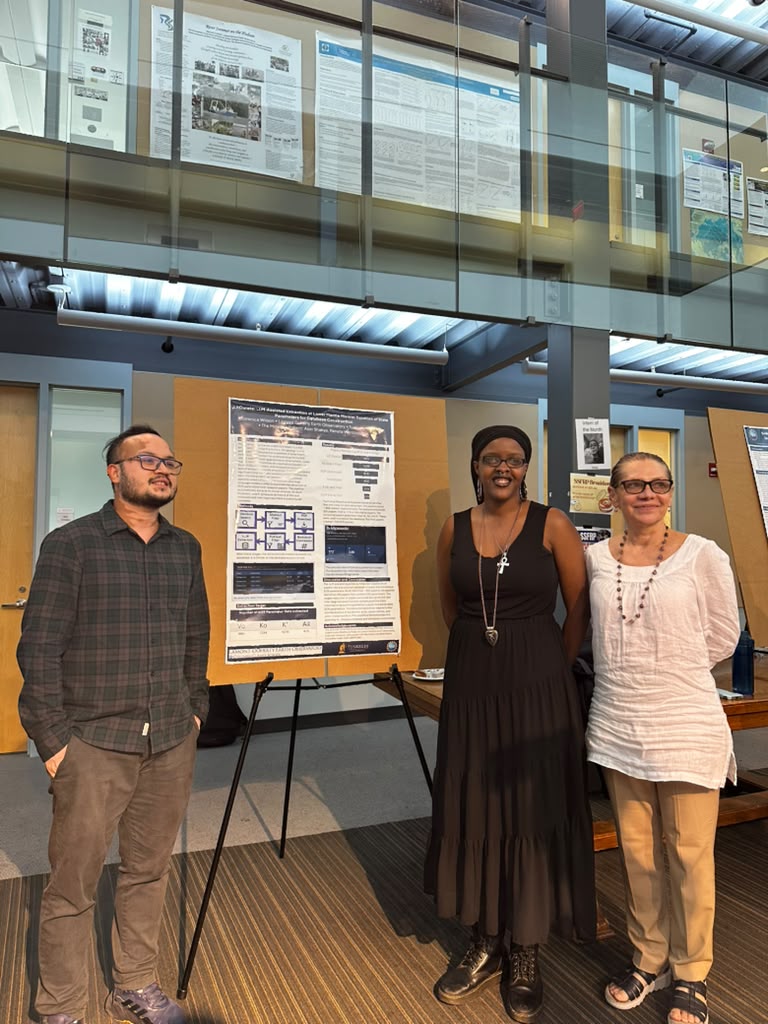
Throughout the summer, the MINERALS interns worked alongside project researchers and mentors, gaining hands-on experience in mineral physics, computational research, and the study of Earth’s interior. The final presentations gave them an opportunity to communicate their work to a broader scientific audience, receive feedback, and learn about research conducted by other participants in the Lamont Summer Intern Program.
The MINERALS team congratulates the interns on successfully completing the program and thanks them for their curiosity, hard work, and contributions throughout the summer. We wish them continued success in their academic and professional journeys.
MINERALS Team Explores the American Museum of Natural History’s World-Class Mineral Collections
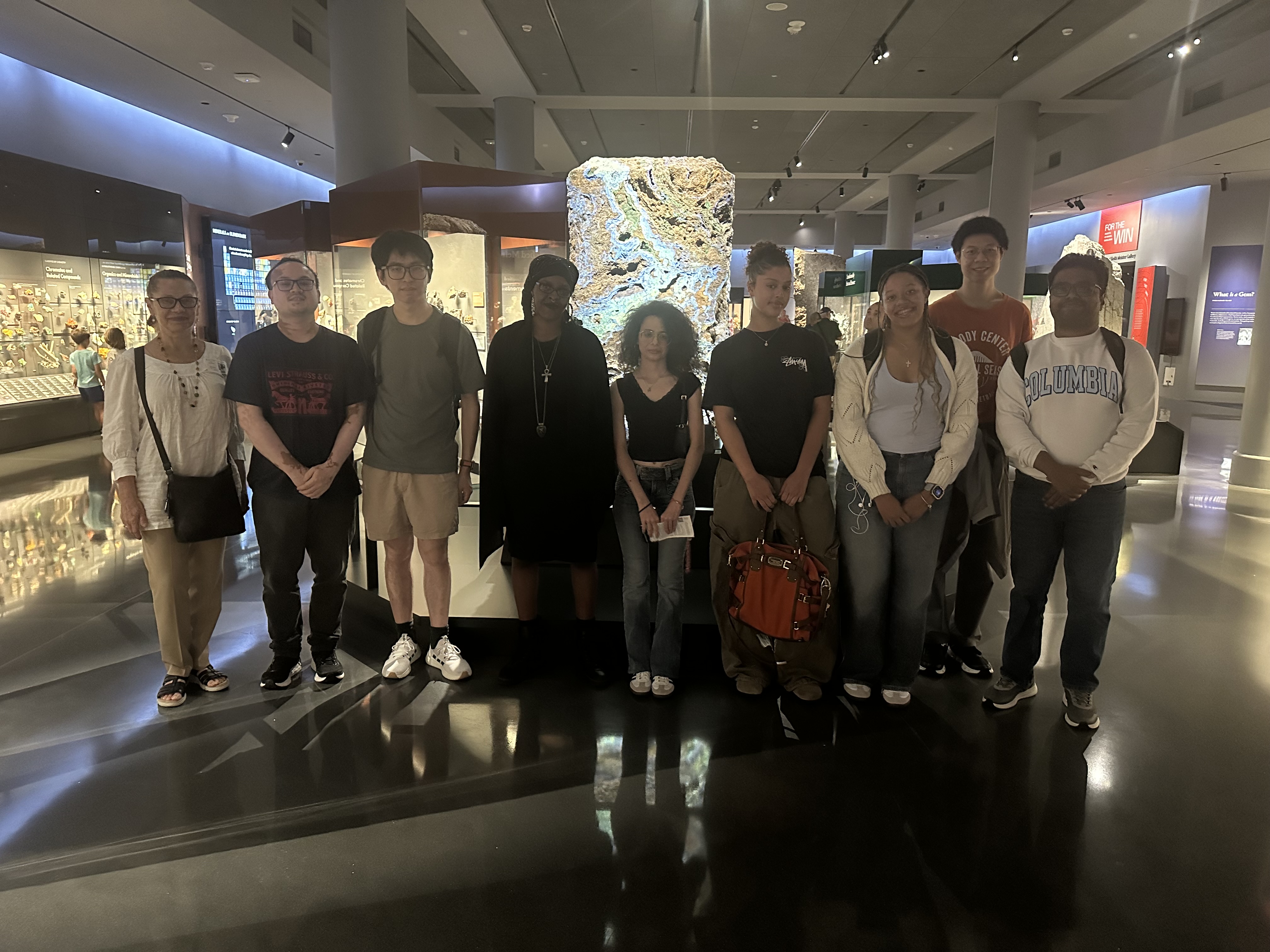
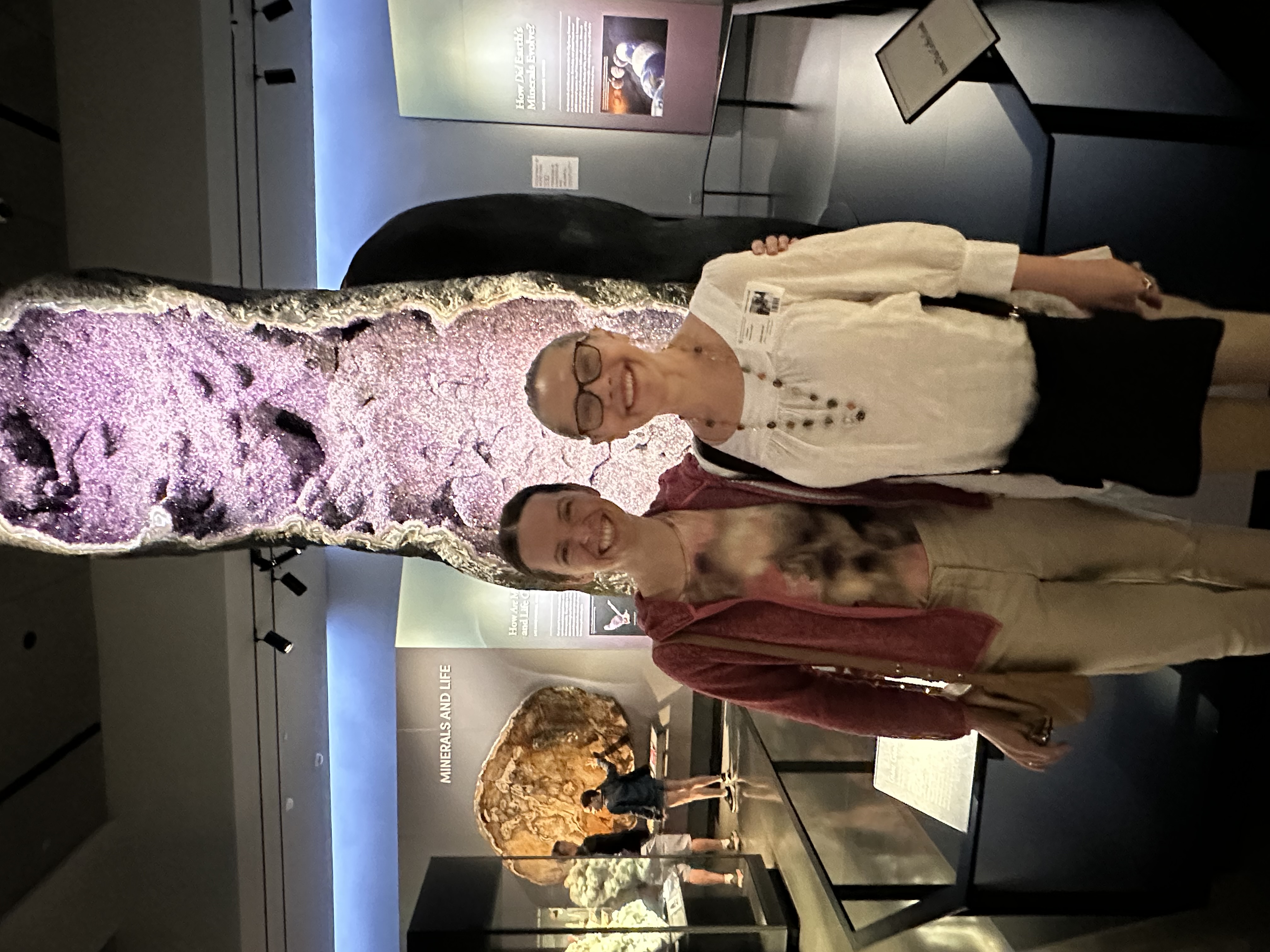
On Monday, June 29, members of the MINERALS team visited the American Museum of Natural History for a special behind-the-scenes tour organized by Prof. Renata Wentzcovitch. The visit offered students and researchers an opportunity to explore one of the world’s premier mineral collections while learning about the science, history, and curation of museum specimens.
The group toured the Museum’s renowned Allison and Roberto Mignone Halls of Gems and Minerals before receiving an exclusive collection visit led by Dr. Kate Kiseeva, Assistant Curator of Mineralogy at the American Museum of Natural History and curator of the Mignone Halls. Dr. Kiseeva shared insights into the Museum’s research collections, the scientific importance of mineral specimens, and how these collections support cutting-edge research in Earth and planetary sciences.
Participants included MINERALS interns Gioia Marchi, Wilson Samuels, and Dominica Wilson; postdoctoral researcher Abin Shakya; Ph.D. students Lucrezia G., Timothy Liao, and Chenxing Luo; and Project Coordinator Vishal Manve.
The visit provided an engaging opportunity for the team to connect classroom knowledge with world-class museum collections while strengthening ties between the MINERALS project and the broader Earth science community in New York.
A Great Day in Harlem, Revisited
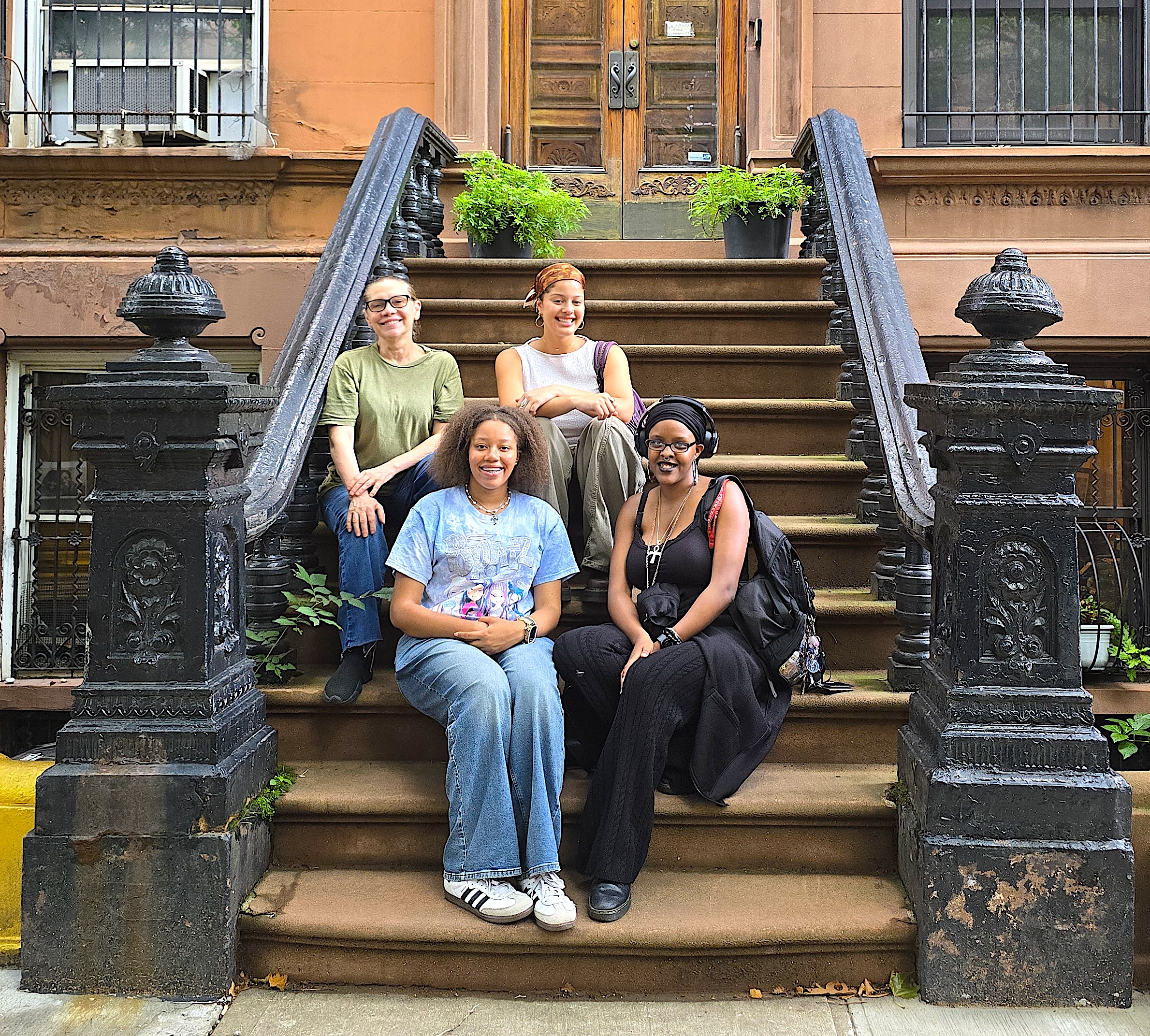
On Wednesday, July 29, following the culmination of the Lamont Summer Intern Program the day before, Prof. Renata Wentzcovitch (PI, MINERALS Project) and MINERALS summer interns Wilson Samuels, Dominica Wilson, and Gioia Marchi gathered on a Harlem stoop for a group portrait — a warm homage to Art Kane’s 1958 photograph *A Great Day in Harlem*, which brought together 57 jazz musicians on a brownstone stoop on East 126th Street for what has since been called the most iconic photograph in jazz history.
The original 1958 photograph was itself something of a happy accident. Esquire’s staff had issued only a general invitation, and no one knew who would turn up.
What emerged became a landmark image of a community, gathered in one place at one moment, holding its own history in view.
This year’s MINERALS interns spent the summer working alongside project researchers on questions in mineral physics, computational research, and the study of Earth’s interior, culminating in their presentations at the Lamont Summer of Science on Tuesday, July 28. The stoop portrait, taken the following day, offers a small, joyful bookend to their summer with us.
The MINERALS team congratulates Wilson, Dominica, and Gioia on a wonderful summer of curiosity, care, and hard work.